Post-Surgical Care After Joint Replacement Surgery in Delhi: What Patients Should Know
Joint replacement surgery in delhi is a highly effective orthopaedic intervention designed to relieve chronic pain and restore joint function in patients suffering from advanced arthritis or joint degeneration. While the procedure itself is crucial, the recovery phase significantly influences long-term outcomes and quality of life.
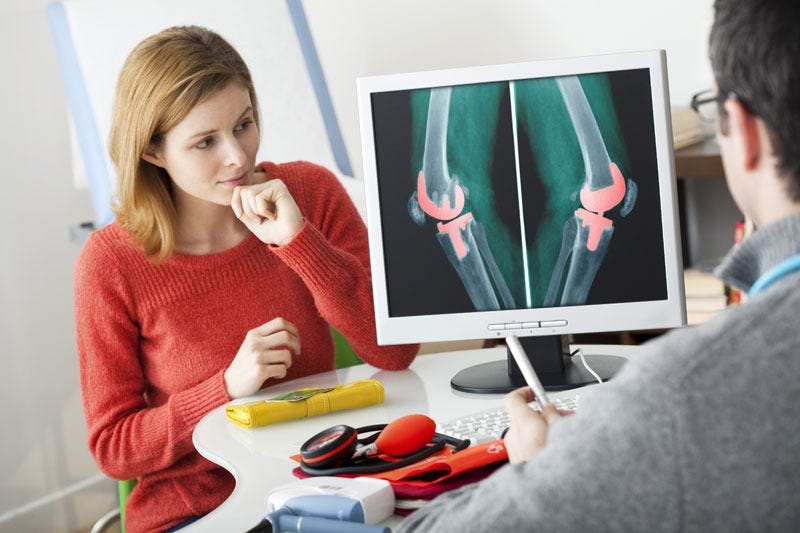
Immediate Post-Operative Phase:
Following surgery, patients are closely monitored in a hospital setting for a few days. During this period, pain control, wound care, and prevention of complications such as infections or blood clots are prioritized. Medications, including analgesics and anti-inflammatory drugs, are prescribed to ensure patient comfort.
Early mobilization is encouraged under supervision. Assistive devices such as walkers or crutches may be required to promote safe movement and prevent undue stress on the operated joint.
Pain Management and Early Rehabilitation:
Effective pain management is essential for optimal recovery. Along with prescribed medications, cold therapy (ice packs) and limb elevation can help reduce swelling and discomfort. Non-pharmacological strategies such as relaxation techniques and breathing exercises may further enhance comfort.
Physical therapy typically begins within the first week after discharge. Structured rehabilitation programs are tailored to improve joint mobility, muscle strength, and functional independence. Adherence to these programs is critical for achieving successful surgical outcomes.
Role of Physical Therapy:
Rehabilitation under the guidance of a trained physiotherapist plays a central role in restoring joint function. Targeted exercises help improve flexibility, enhance muscle strength, and prevent stiffness. Additionally, patients are educated on proper posture and movement techniques to avoid complications and ensure joint longevity.
A qualified Orthopaedic Surgeon Delhi often works in coordination with physiotherapists to monitor progress and adjust recovery plans based on individual patient needs.
Nutritional Support for Recovery:
Adequate nutrition is vital in the healing process. A balanced diet rich in proteins supports tissue repair and muscle regeneration. Inclusion of fruits and vegetables provides essential vitamins, minerals, and antioxidants that boost immunity and reduce inflammation.
Whole grains supply sustained energy, while proper hydration helps prevent post-operative complications such as constipation. Consulting a nutrition specialist may further optimize recovery outcomes.
Lifestyle Modifications and Home Safety:
Adapting daily routines is essential after surgery. Patients should modify their living spaces to ensure safety and convenience. Installing grab bars in bathrooms, using non-slip mats, and arranging frequently used items within easy reach can significantly reduce the risk of falls.
Avoiding high-impact activities during the early recovery phase is crucial. Gradual reintroduction of low-impact exercises such as walking is recommended as healing progresses.
Emotional and Psychological Well-being:
Recovery is not only physical but also emotional. Patients may experience anxiety or frustration due to temporary limitations. Emotional support from family, caregivers, and support groups can play a vital role in maintaining mental well-being.
Celebrating small milestones and maintaining a positive outlook can significantly enhance recovery motivation and adherence to rehabilitation protocols.
Joint Replacement Surgery in Delhi:
Patients undergoing Joint Replacement Surgery in Delhi benefit from access to advanced healthcare infrastructure and experienced specialists. The presence of skilled surgeons, modern surgical techniques, and comprehensive rehabilitation services ensures high standards of care.
Choosing an experienced Orthopaedic Surgeon Delhi is essential for successful outcomes, as expertise directly influences both surgical precision and post-operative recovery planning.
Conclusion:
Recovery after joint replacement surgery requires a multidisciplinary approach involving medical care, physiotherapy, nutrition, and emotional support. With proper guidance, adherence to rehabilitation, and lifestyle adjustments, patients can achieve significant improvements in mobility, pain relief, and overall quality of life.
#Joint Replacement Surgery in Delhi #Total Hip Replacement Surgery in Delhi


Comments
Post a Comment