Living with Chronic Knee Pain? Consider Total Knee Replacement Surgery in Delhi
Knee pain is no longer limited to older adults. Today, many individuals in their 40s and 50s experience persistent knee discomfort due to lifestyle factors, joint degeneration, injuries, or arthritis. What often begins as mild discomfort may gradually worsen and interfere with daily activities such as walking, climbing stairs, or even standing for a short time.
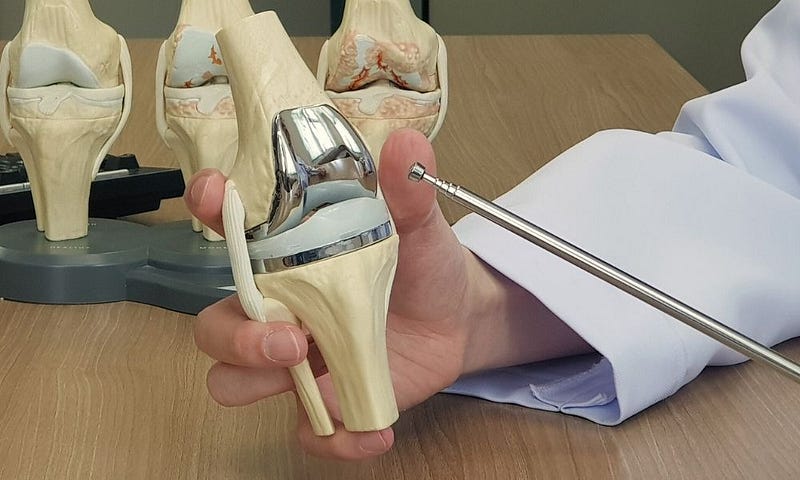
In the early stages, knee pain may be managed with medications, physiotherapy, weight management, and lifestyle changes. However, when the joint damage becomes severe, these conservative treatments may no longer provide adequate relief. At this stage, consulting an experienced Orthopaedic Surgeon Delhi can help determine whether Total Knee Replacement Surgery in Delhi is the appropriate treatment option.
Below are ten common warning signs that indicate you may need to consider knee replacement surgery.
1. Difficulty Walking or Climbing Stairs:
One of the earliest indicators of significant knee joint damage is difficulty walking or climbing stairs. Patients may experience pain, instability, or weakness when performing simple movements. This can occur when the cartilage cushioning the knee joint has significantly deteriorated.
2. Persistent Knee Pain:
Knee pain that continues throughout the day — even while resting or lying down — may indicate advanced arthritis or joint degeneration. Although pain medications can provide temporary relief, the discomfort often returns once the effect wears off.
3. Morning Stiffness:
Stiffness in the knee after waking up or following long periods of sitting is a common symptom of arthritis. This stiffness may gradually limit mobility and make routine activities increasingly difficult.
4. Restricted Knee Movement:
If you notice that your knee cannot fully bend or straighten, it may signal progressive joint damage. Restricted range of motion can make everyday tasks such as walking, sitting, or climbing stairs challenging.
5. Recurrent Swelling:
Repeated swelling around the knee joint, even after rest or medication, may suggest chronic inflammation inside the joint. Persistent swelling often indicates that the cartilage and surrounding structures are deteriorating.
6. Visible Changes in Leg Alignment:
In advanced cases of arthritis, the knee joint may lose its normal alignment. Some individuals develop bow-legged or knock-knee deformities due to uneven cartilage wear. These changes can worsen pain and joint instability over time.
7. Grinding or Clicking Sensation:
A grinding, clicking, or cracking sensation in the knee — known as crepitus — may occur when the cartilage surface becomes rough or worn away. This causes the bones to rub against each other, resulting in discomfort and stiffness.
8. Difficulty Performing Daily Activities:
When simple activities such as standing, walking, or doing household tasks become exhausting or painful, it may indicate significant knee joint damage. Reduced mobility can also affect overall quality of life.
9. Pain That Disrupts Sleep:
Severe knee pain that interferes with sleep or causes discomfort at night is another sign that the condition has progressed. At this stage, conservative treatment methods may no longer provide lasting relief.
10. Limited Relief from Non-Surgical Treatments:
Physiotherapy, anti-inflammatory medications, injections, and lifestyle modifications are often the first line of treatment for knee pain. However, if these treatments stop working or provide only temporary relief, surgery may be the most effective option.
Role of Knee Replacement Surgery:
Total Knee Replacement Surgery in Delhi involves removing the damaged portions of the knee joint and replacing them with durable artificial components designed to replicate natural joint movement. The procedure aims to relieve chronic pain, restore joint function, and improve mobility.
Advances in surgical techniques and implant technology have significantly improved the success rates of knee replacement procedures. Most patients experience substantial pain relief and improved quality of life following surgery.
When to Consult a Specialist:
If you are experiencing persistent knee pain or mobility issues, consulting a qualified Orthopaedic Surgeon Delhi is essential. Early diagnosis and timely treatment can prevent further joint damage and help you return to an active lifestyle.
Seeking expert medical guidance at the right time can make a significant difference in preserving mobility and ensuring long-term joint health.
#Total Knee Replacement Surgery in Delhi #Total Shoulder Replacement Surgery in Delhi
Also visit: https://about.me/dr.anant


Knee Joint Replacement Surgery - Searching for the best knee surgery option at affordable cost? India is the best options for you. Knee replacement surgery is an orthopedic procedure performed to relieve severe knee pain and stiffness caused by arthritis, injury, or joint degeneration. Knee surgery replaces the damaged cartilage and bone with artificial implants. Visit: Best Knee Replacement Hospitals in India
ReplyDeleteBest Knee Replacement Surgeon in India
Medical Tourism Company in India