Total Knee Replacement Surgery in Delhi Explained: Separating Myths from Medical Facts
Get link
Facebook
X
Pinterest
Email
Other Apps
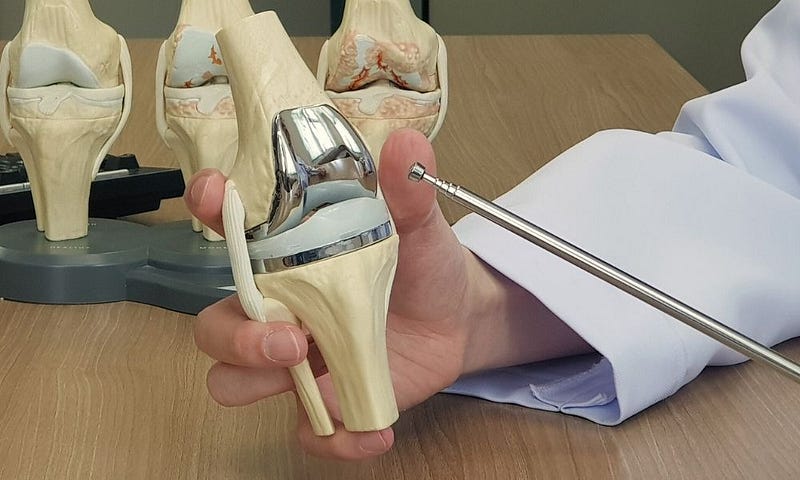
Knee replacement surgery, medically known as knee arthroplasty, is one of the most successful orthopaedic procedures performed worldwide. It offers significant pain relief and improved mobility for patients suffering from advanced arthritis or severe knee joint damage. Despite its high success rate, many patients delay treatment due to widespread myths and misinformation.
As experienced orthopaedic specialists emphasize, understanding the facts behind Total Knee Replacement Surgery in Delhi helps patients make confident and timely decisions. Let’s address the most common myths and uncover the medical truth behind them.
Myth 1: Knee Replacement Should Only Be the Last Option
Fact: Delaying surgery can worsen outcomes.
Non-surgical treatments are helpful in early arthritis, but waiting too long can lead to muscle weakness, joint deformity, and reduced post-surgical recovery. If pain limits daily life, early consultation with a specialist is advised.
Myth 2: Knee Implants Don’t Last Long
Fact: Modern implants are highly durable.
Advances in implant materials and surgical precision have extended implant lifespan to 15–25 years or more. With proper care and activity modification, many patients enjoy long-term relief.
Myth 3: Recovery Is Extremely Painful
Fact: Pain is manageable and temporary.
Modern anesthesia, nerve blocks, and pain management protocols make recovery far more comfortable than before. Most patients report that post-surgical pain is far less than their pre-surgery arthritis pain.
Myth 4: Normal Walking Is Not Possible After Surgery
Fact: Most patients regain smooth, stable walking.
With guided physiotherapy, patients typically walk with support within days and independently within weeks. Activities like walking, cycling, and swimming are commonly resumed.
Myth 5: Knee Replacement Is Only for Elderly Patients
Fact: Age is not the deciding factor.
The severity of pain, joint damage, and impact on quality of life matter more than age. Many patients in their 40s and 50s undergo successful knee replacement when symptoms are disabling.
Myth 6: You’ll Be Dependent on a Wheelchair Forever
Fact: Early mobility is encouraged.
Patients usually start walking within 24 hours of surgery using support. Long-term wheelchair dependence is extremely rare.
Myth 7: Both Knees Cannot Be Replaced Together
Fact: Bilateral knee replacement is possible in selected patients.
Simultaneous replacement may reduce overall recovery time, though patient health and fitness determine suitability.
Myth 8: Diabetes or High Blood Pressure Makes Surgery Unsafe
Fact: Well-controlled conditions are not barriers.
With proper pre-operative evaluation and monitoring, patients with controlled medical conditions undergo knee replacement safely.
Myth 9: The Body Rejects Knee Implants
Fact: Implant rejection is extremely rare.
Knee implants are made from biocompatible materials. Metal sensitivity can be addressed with alternative implant options if required.
Myth 10: Physical Activity Is Not Allowed After Surgery
Fact: Low-impact activity is encouraged.
Staying active helps maintain joint strength and flexibility. High-impact sports are avoided to protect implant longevity.
Final Thoughts:
Knee replacement surgery has transformed millions of lives by restoring mobility and reducing chronic pain. When performed by an experienced Joint Replacement Surgeon in Delhi, outcomes are highly predictable and rewarding.
If persistent knee pain is affecting your independence and well-being, don’t let myths hold you back. Consult a qualified specialist to understand whether knee replacement is right for you. Investing in your knee health today ensures better movement, comfort, and quality of life for years to come.
Robotic Orthopaedic Surgery in Delhi represents a significant advancement in modern surgical science, combining computer-assisted technology, high-resolution 3D imaging, and the expertise of an experienced orthopaedic surgeon. This innovative approach enhances surgical precision, improves implant alignment, and delivers better functional outcomes for patients suffering from joint disorders, bone injuries, and spinal conditions. Unlike conventional methods, robotic-assisted surgery allows for meticulous pre-operative planning and intraoperative guidance, resulting in minimal tissue disruption, reduced post-operative pain, and faster recovery. Understanding Robotic-Assisted Orthopaedic Procedures: Robotic orthopaedic surgery is a surgeon-controlled technique where a robotic system assists in executing a highly accurate surgical plan. The process begins with advanced imaging modalities such as CT scans or MRI, which are used to create a detailed three-dimensional model of the affected jo...
Hip pain can gradually limit your ability to walk, sit, or perform daily activities. Conditions such as osteoarthritis, rheumatoid arthritis, avascular necrosis, and hip injuries often damage the hip joint over time, leading to persistent pain and stiffness. When conservative treatments no longer provide relief, Total Hip Replacement Surgery in Delhi offers a proven and long-lasting solution. With advancements in surgical techniques and rehabilitation protocols, hip replacement surgery today is safer, more precise, and highly effective. Understanding Total Hip Replacement Surgery: Total hip replacement is an orthopaedic procedure in which the damaged portions of the hip joint are replaced with artificial components. The diseased ball of the thigh bone and the worn-out socket of the hip are removed and replaced with implants made from durable materials such as metal, ceramic, or high-grade plastic. The objective is to restore smooth joint movement, relieve pain, and improve overall mo...
Chronic hip pain can significantly affect mobility, independence, and overall quality of life. Conditions such as osteoarthritis, rheumatoid arthritis, avascular necrosis, hip fractures, and severe joint degeneration often lead to persistent pain and restricted movement. When conservative treatments like medications, physiotherapy, or lifestyle modification fail to provide relief, Total Hip Replacement Surgery in delhi becomes a reliable and effective solution. Under the expert guidance of Dr. Anant Kumar Tiwari, a highly experienced Orthopaedic Surgeon Delhi , patients receive advanced, evidence-based care aimed at restoring function and improving long-term joint health. What Is Total Hip Replacement Surgery? Total Hip Replacement Surgery is a well-established orthopaedic procedure in which the damaged hip joint is replaced with a prosthetic implant. The diseased femoral head is removed and substituted with a metal or ceramic ball, while the worn-out hip socket is replaced with a dur...


Comments
Post a Comment