Intra-Articular Joint Injections: A Non-Surgical Alternative to Joint Replacement Surgery in Delhi
Joint pain can slowly limit mobility, independence, and quality of life. Conditions such as osteoarthritis, cartilage damage, and age-related joint degeneration often make daily activities uncomfortable. While Joint Replacement Surgery in Delhi remains a highly successful and definitive treatment for advanced joint damage, many patients today are benefiting from a less invasive option known as intra-articular joint reconstruction injections.
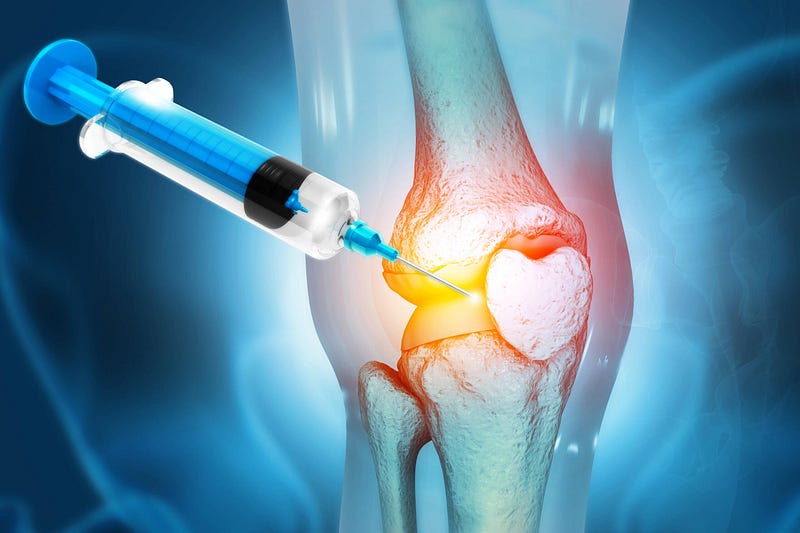
This innovative treatment has emerged as an effective, medically proven solution for managing joint pain and improving function — especially in early to moderate stages of joint disease.
What Are Intra-Articular Joint Reconstruction Injections?
Intra-articular injections are administered directly into the affected joint to reduce inflammation, relieve pain, and support joint healing. Unlike traditional painkillers that act systemically, these injections work locally at the site of damage.
Depending on the patient’s condition, injections may include substances that improve lubrication, reduce inflammation, and support cartilage health. By enhancing the joint environment, these injections help restore smoother movement and reduce stiffness.
How Do Joint Reconstruction Injections Work?
Joint degeneration often occurs due to cartilage wear, inflammation, and reduced joint fluid. Intra-articular injections aim to:
- Reduce joint inflammation
- Improve joint lubrication
- Slow cartilage degeneration
- Enhance mobility and flexibility
- Relieve pain without surgery
These injections are performed under sterile conditions and are usually completed within a short outpatient visit.
Who Can Benefit from Intra-Articular Joint Injections?
This treatment is suitable for patients experiencing:
- Early to moderate osteoarthritis
- Chronic joint pain affecting daily activities
- Cartilage damage without severe deformity
- Limited improvement from physiotherapy or medications
For individuals not ready for surgery, these injections can significantly delay the need for Joint Replacement Surgery in Delhi while maintaining a good quality of life.
Benefits of Joint Reconstruction Injections:
Under the guidance of an experienced Orthopaedic Surgeon Delhi, intra-articular injections offer several advantages:
- Minimally invasive treatment
- Reduced pain and swelling
- Improved joint movement
- Quick recovery with minimal downtime
- Safe alternative or bridge to surgery
Most patients can return to daily activities shortly after the procedure.
Recovery and Results:
Recovery following intra-articular injections is typically fast. Mild soreness at the injection site may occur but usually resolves quickly. Patients often notice gradual improvement in pain relief and mobility over days to weeks.
Results vary based on the severity of joint damage, lifestyle, and adherence to medical advice. Regular follow-ups help assess progress and determine if repeat injections or additional treatments are needed.
When Is Joint Replacement Still Necessary?
While joint reconstruction injections provide excellent relief for many patients, they may not be sufficient in advanced joint degeneration. Severe cartilage loss, deformity, or persistent pain may still require Joint Replacement Surgery in Delhi for long-term relief and restored function.
An experienced Orthopaedic Surgeon Delhi plays a vital role in determining the right treatment at the right time.
Expert Orthopaedic Care in Delhi:
Choosing the right orthopedic specialist ensures accurate diagnosis and personalized care. A skilled orthopaedic surgeon evaluates joint condition, lifestyle needs, and long-term goals before recommending injections or surgery.
With advancements in orthopedic treatments, patients today have more options than ever to manage joint pain effectively — often without immediate surgery.
#Joint Replacement Surgery in Delhi #Orthopaedic Surgeon Delhi
Also visit: https://pakhie.com/blogs/141705/Arthroscopy-Surgery-Delhi-Minimally-Invasive-Care-for-Joint-Problems


Comments
Post a Comment