When Joint Pain Becomes Severe: A Step-by-Step Guide to Joint Replacement Surgery in Delhi
Joint pain can affect every part of daily life — from walking comfortably to climbing stairs, driving, or even getting out of bed. Conditions such as osteoarthritis, rheumatoid arthritis, old injuries, and age-related joint degeneration can gradually damage the joint surfaces and reduce movement. When medications, physiotherapy, and lifestyle changes stop providing relief, joint replacement surgery becomes a highly effective option to restore function and reduce chronic pain.
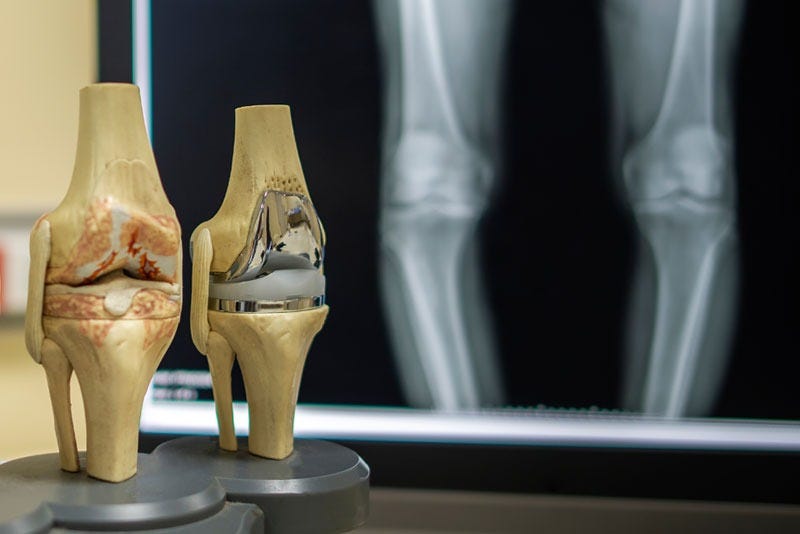
Today, Joint Replacement Surgery in Delhi is performed with advanced techniques that offer safer procedures, improved implant positioning, and faster rehabilitation — helping patients return to an active and independent lifestyle.
What Is Joint Replacement Surgery?
Joint replacement is a surgical procedure in which a damaged or worn-out joint is removed and replaced with an artificial implant (prosthesis). These implants are designed to mimic natural joint movement and are made from durable medical-grade materials such as metal alloys, high-quality plastic, or ceramic components.
The primary goals of joint replacement surgery are:
- Long-term pain relief
- Improved mobility and flexibility
- Better walking ability and joint stability
- Enhanced quality of life
Commonly replaced joints include the knee, hip, shoulder, and in select cases, the elbow or ankle.
Step-by-Step Process of Joint Replacement Surgery:
1) First Consultation with an Orthopaedic Surgeon:
The journey begins with a detailed evaluation by an Orthopaedic Surgeon Delhi. During the consultation, the doctor will:
- Review your symptoms, joint pain history, and daily limitations
- Examine joint movement, swelling, and deformity
- Recommend X-rays, MRI, or blood tests if required
- Discuss whether joint replacement is necessary or if other treatments can help
This step ensures surgery is advised only when truly beneficial.
2) Pre-Surgery Preparation:
Once surgery is planned, patients undergo structured preparation, which may include:
- Medical fitness tests (blood investigations, ECG, chest evaluation)
- Medication guidance, especially for diabetes, BP, or blood thinners
- Prehabilitation exercises to strengthen muscles for quicker recovery
- Lifestyle modifications, such as weight management and quitting smoking
Good preparation improves healing and reduces surgical risks.
3) What Happens on the Day of Surgery?
Joint replacement surgery generally takes 2 to 3 hours, depending on the joint and complexity. The procedure includes:
- Anesthesia (general or spinal/regional, based on patient fitness)
- Removal of damaged cartilage and bone surfaces
- Placement of the artificial joint implant
- Closure of the incision with sutures/staples and sterile dressing
The implant is carefully aligned to allow smoother movement and long-term durability.
4) Hospital Recovery After Surgery:
After surgery, patients are monitored closely to ensure stable recovery. Hospital stay is commonly 2–4 days, depending on individual progress.
During this phase:
- Pain control is managed with medications
- Physiotherapy starts early to restore movement
- Blood circulation measures are taken to reduce clot risk
- Wound condition is checked regularly
Early movement is a key part of safe recovery.
5) Rehabilitation and Home Care:
Rehabilitation is a vital part of successful joint replacement. At home, patients are advised:
- Regular guided physiotherapy for strength and flexibility
- Proper wound care and hygiene
- Use of walking support if recommended
- Timely follow-ups for progress evaluation
With consistency, many patients experience major improvement in mobility within weeks.
Long-Term Results: Life After Joint Replacement-
Most patients report:
- Significant pain reduction
- Improved walking and daily functioning
- Better sleep and activity levels
- Increased confidence in movement
Modern implants can last 15–20 years or longer, depending on weight, lifestyle, and implant type.
Possible Risks and Complications:
Joint replacement is considered safe, but like any surgery, it may have risks such as:
- Infection
- Blood clots
- Joint stiffness
- Implant loosening or wear over time
Choosing an experienced surgeon, following rehabilitation, and maintaining healthy habits greatly reduces these risks.
When Should You Consider Joint Replacement Surgery in Delhi?
If joint pain is persistent, limits your daily activities, and has not improved with conservative treatment, it is time to consult an expert. A skilled Orthopaedic Surgeon Delhi can guide you with the right diagnosis and treatment plan.
Joint Replacement Surgery in Delhi has helped countless patients regain comfort, independence, and an active life — with reliable outcomes and modern surgical care.
#Joint Replacement Surgery in Delhi #Orthopaedic Surgeon Delhi


Comments
Post a Comment