From Knee Joint Gaps to Joint Replacement Surgery in Delhi: Treatment Pathways
Gap problems in the knee joint refer to abnormal spacing or misalignment between the bones that form the knee joint. These gaps can disrupt normal joint mechanics, leading to pain, instability, and difficulty in movement. Over time, untreated joint gaps may significantly affect mobility and reduce overall quality of life.
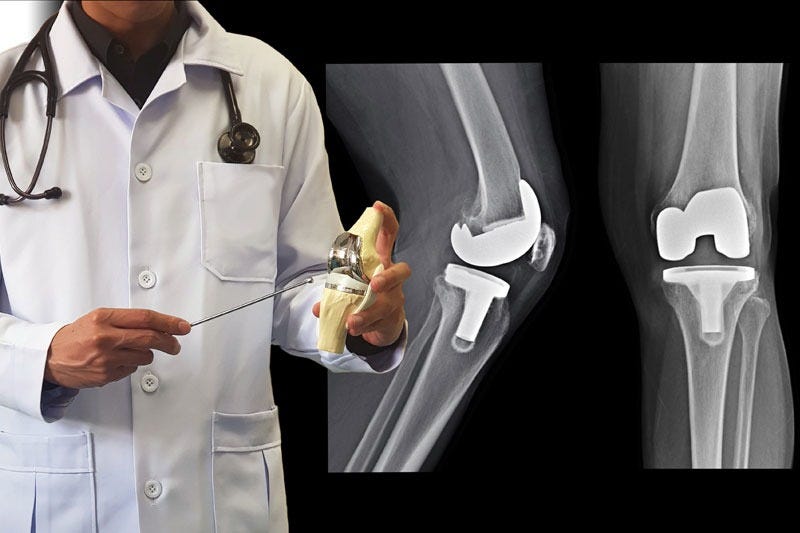
The knee relies on healthy cartilage, ligaments, and synovial fluid to function smoothly. When these structures are compromised, the joint loses stability and alignment, resulting in increased friction and uneven load distribution.
What Causes Gaps in the Knee Joint?
Several factors can contribute to the development of joint gaps in the knee:
Early diagnosis by an experienced Orthopaedic Surgeon Delhi is essential to prevent progression and long-term damage.
Symptoms of Knee Joint Gap Problems:
Patients with knee joint gap issues may experience:
- Persistent knee pain
- Joint stiffness and reduced flexibility
- Difficulty walking or climbing stairs
- A feeling of instability or imbalance
- Visible deformity in advanced cases
These symptoms often worsen with activity and may interfere with daily routines.
Joint Gap Treatment in Delhi:
Treatment for knee joint gaps depends on the severity of the condition, patient age, activity level, and overall health.
Conservative Management-
For mild cases, non-surgical treatments are usually effective. These include:
- Physiotherapy: Strengthening exercises for quadriceps, hip muscles, and core to improve alignment and joint stability
- Weight Management: Reducing excess body weight decreases stress on the knee joint
- Activity Modification: Avoiding high-impact activities that worsen symptoms
Supportive Measures-
For moderate symptoms, an orthopaedic specialist may recommend:
- Knee braces to support alignment
- Pain-relieving medications or injections
- Lifestyle adjustments to protect joint health
Surgical Treatment-
When conservative treatments fail or joint deformity becomes severe, surgical intervention may be necessary. In advanced arthritis or structural damage, Joint Replacement Surgery in Delhi can restore alignment, relieve pain, and improve mobility.
A skilled Orthopaedic Surgeon Delhi will evaluate imaging studies such as X-rays or MRI scans to determine the most appropriate treatment approach.
Importance of Early Intervention:
Regular follow-ups and timely treatment play a crucial role in managing knee joint gap problems. Early intervention can slow disease progression, reduce pain, and help patients maintain an active lifestyle.
Conclusion:
Knee joint gap problems are a common yet manageable condition when diagnosed early and treated appropriately. From physiotherapy and lifestyle changes to advanced surgical solutions like Joint Replacement Surgery in Delhi, a wide range of options are available to restore knee function.
If knee pain, instability, or deformity is affecting your daily life, consulting an experienced Orthopaedic Surgeon Delhi can help you take the right steps toward long-term joint health and improved mobility.
#Joint Replacement Surgery in Delhi #Orthopaedic Surgeon Delhi


Comments
Post a Comment