What is the Difference between a Partial and Total Knee Replacement?
Knee replacement surgery is often utilized and proven to be effective in treating patients with chronic knee pain due to injury or arthritis. It restores quality of life, function, and mobility when the other interventions are ineffective. But maybe one of the most questioned questions by the patients is: “Should I have a partial or total knee replacement?”
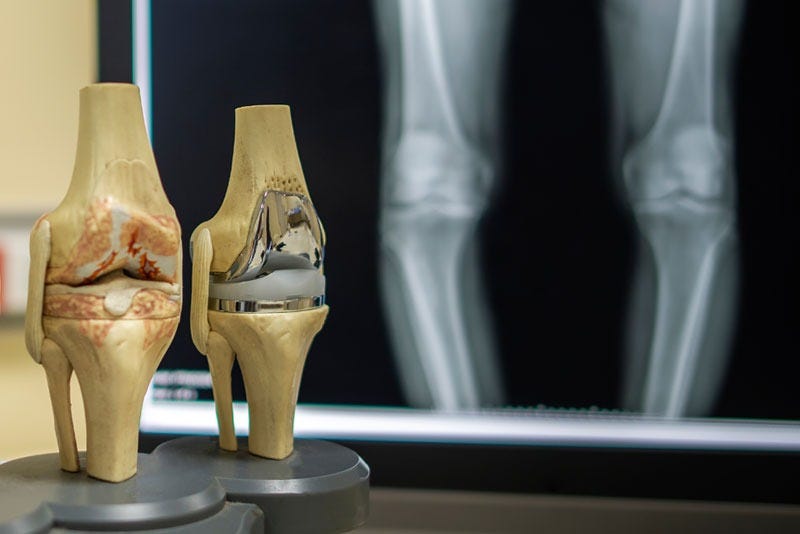
As orthopaedic surgeon Delhi, it is imperative to advise the patients on how partial and total knee replacement are different in an effort to make them make sound decisions based on their individual condition, age, lifestyle, and long-term ambitions.
The paper examines the key differences, indications, recovery periods, complications, and results of both procedures.
Understanding Knee Anatomy:
To learn about the two surgical procedures, it is essential to know the general anatomy of the knee. The knee joint is separated into three compartments:-
- Medial Compartment — inner portion of the knee
- Lateral Compartment — outer portion of the knee
- Patellofemoral Compartment — the front portion of the knee where the kneecap and thigh bone meet
If only one of the three compartments is involved in the arthritis or degeneration, a partial knee replacement might be adequate. If all three are involved, a total knee replacement surgery in delhi is typically indicated.
What Is a Total Knee Replacement (TKR)?
A total knee replacement (TKR), or total knee arthroplasty, is a surgical procedure where the three knee compartments are resurfaced. The procedure involves:-
- Cartilage and bone removal that is compromised in the femur, tibia, and most frequently the patella
- Placement of metal and plastic prosthetic elements that imitate the knee’s natural motion
- Provision of proper joint alignment for elimination of deformity, if any
It is the most performed knee replacement procedure and suits best for individuals who have extreme arthritis, notable deformity, or multiple injuries in the knee’s compartments.
What is a Partial Knee Replacement (PKR)?
Partial knee replacement surgery in delhi, or unicompartmental knee replacement, is a procedure in which only the defective compartment of the knee is replaced. The rest of the joint, including its ligaments (such as the ACL and PCL), cartilage in the unaffected compartments, and bone structure, remains unchanged.
There are three partial knee replacements:-
- Medial Unicompartmental Replacement — to replace arthritis of the inner knee
- Lateral Unicompartmental Replacement — for lateral knee arthritis
- Patellofemoral Replacement — for kneecap backside arthritis
PKR is the ideal choice for patients with osteoarthritis confined to a region, stable knees, and a normal body weight.
Key Differences between Partial & Total Knee Replacement:

Partial Knee Replacement Benefits:
- Less tissue and bone trauma
- Reduced hospital stay and quicker recovery
- Less scarring and small incision
- More natural feel of the knee
- Reduced chances of complications like infection or clotting
But be careful since PKR is not suited for all. If arthritis has the potential to worsen in other compartments in the future, then it could be a revision for total knee replacement.
Advantages of Total Knee Replacement:
- Widespread successful treatment for arthritis and deformity
- Very stable and durable outcome
- Permanent pain reduction
- Corrected alignment and stability of joints
While more recuperation is required with TKR, generally it is the best option for patients with a great deal of joint damage.
Which One is the Best for You?
Partial or total knee replacement is a decision best made following extensive examination by an experienced orthopaedic surgeon. The decision makers are:-
- Extent of joint damage (evaluated using X-rays, MRI, and clinical assessment)
- Age and activity level of the patient
- Stability of the knee and integrity of the ligaments
- General health and body weight
- Previous injury or surgical history
When Partial Knee Replacement is indicated:
- Single-compartment arthritis
- Normal ligaments (PCL, ACL)
- Normal range of motion and alignment
- Low to moderate levels of activity
When Total Knee Replacement is indicated:
- Multi-compartment severe arthritis
- Joint deformity or instability
- Advanced age with lesser cartilage
- Failed prior surgeries or implants
Recovery & Rehabilitation:
Both procedures need a formal rehabilitation program. Recovery from partial knee replacement tends to be quicker, though. Most patients are able to return to normal activity in 4–6 weeks and can go back to low-impact activities such as walking, swimming, or cycling in a few weeks.
Total knee replacement, though, needs a longer period of recovery. It may take patients 3–6 months to regain strength, balance, and mobility. Both procedures need physical therapy.
Patient Success Rates & Satisfaction:
- More than 90% success with total knee replacement with much relief from pain and improvement in function.
- In the same vein, high satisfaction levels for partial knee replacement, especially in younger or more active patients, with the majority reporting a more “natural-feeling” knee.
Surgeon skill, implant quality, and patient adherence to rehab regimens determine long-term success with both procedures.
Conclusion:
Both total and partial knee replacement surgery in Delhi are great alternatives for those with knee arthritis, but whether the use of either should be decided to suit each patient’s unique circumstances and lifestyle needs.
Partial knee replacement is less invasive but provides faster recovery, but for only a select number of patients. Total knee replacement surgery in Delhi is more complex and often used and provides long-term relief to patients with advanced joint illness.
A careful examination and discussion with your orthopaedic surgeon Delhi will determine the ideal solution. Taking the correct decision will restore freedom of movement, rid you of pain, and enable you to lead a satisfying, active life again.
#Partial Knee Replacement Surgery Delhi #Total Knee Replacement Surgery in Delhi #Orthopaedic Surgeon Delhi
Also visit: https://www.bitchute.com/video/2FiDjYfYEiSK


Comments
Post a Comment